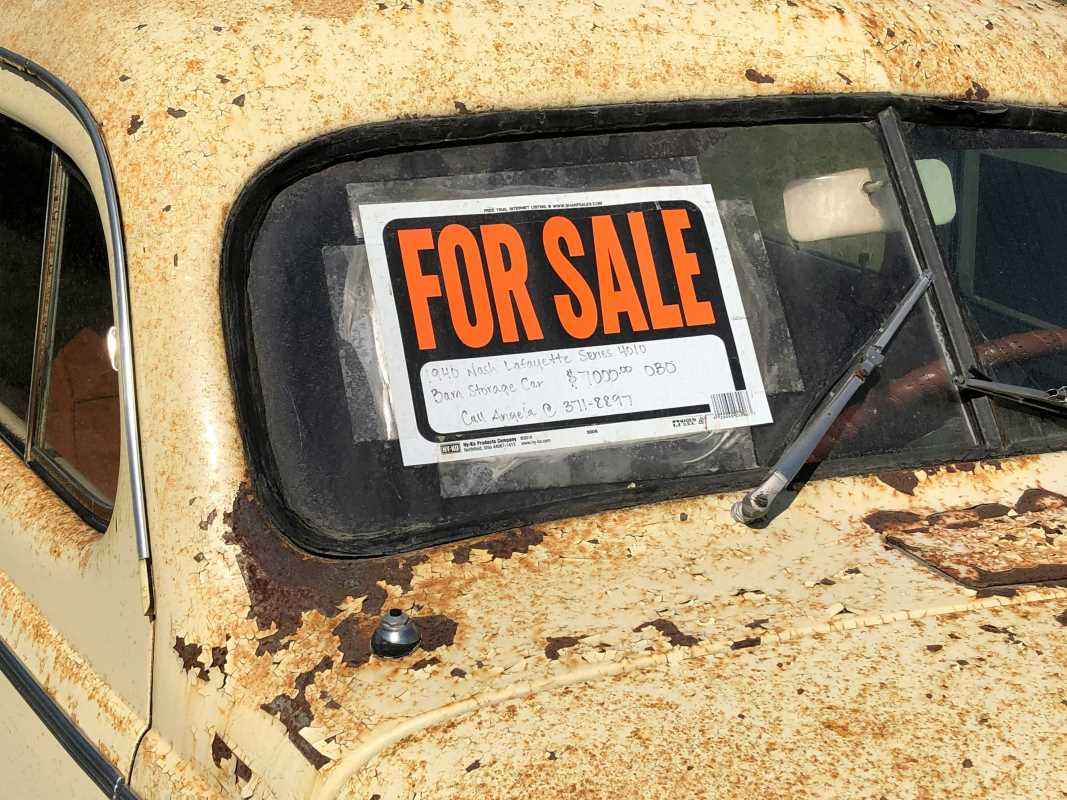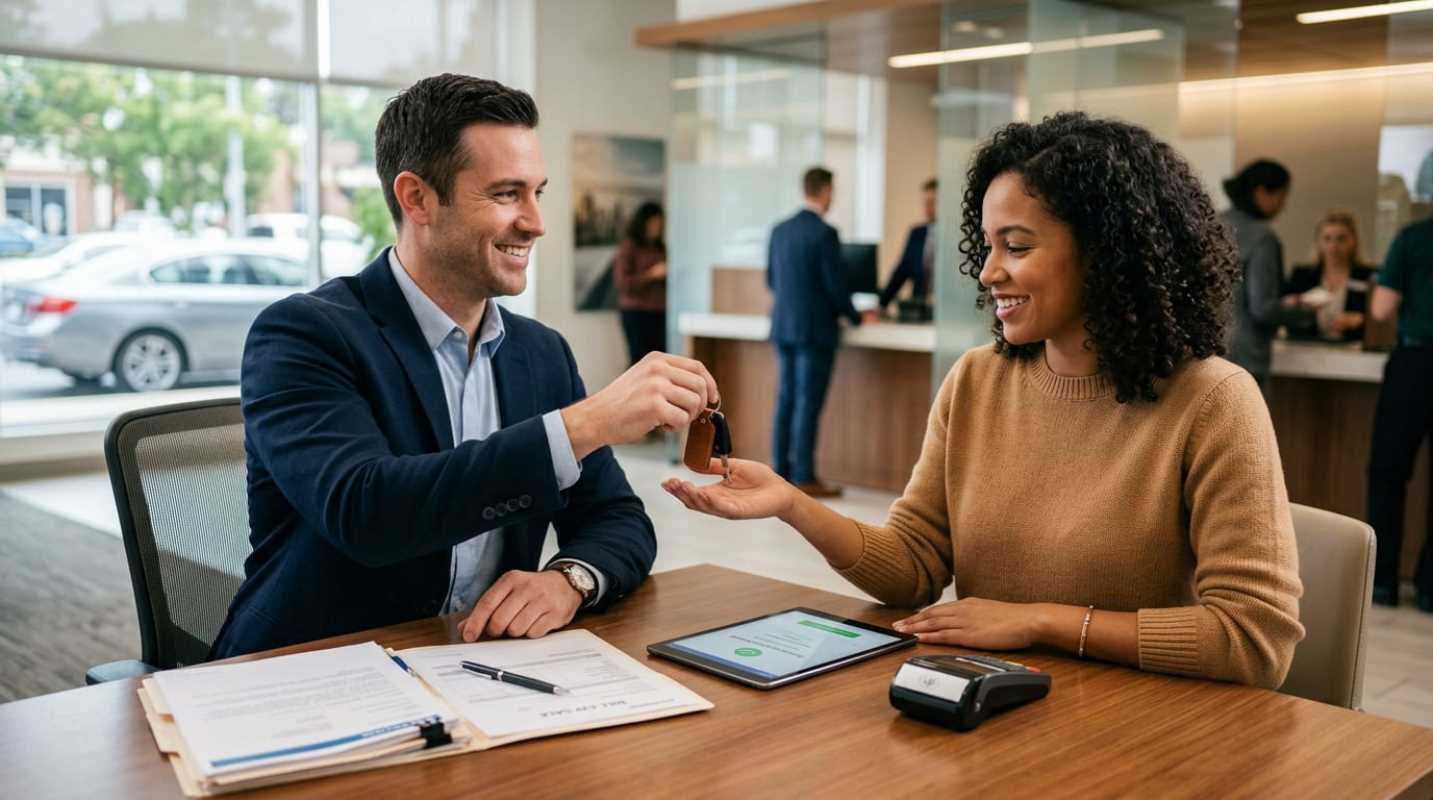
You washed the car, snapped great photos, and found a buyer who agreed to your asking price. It feels like the hard work is over. But here is the reality: handing over the keys and the signed title is where the real risk begins.
Around 19 million vehicles change hands through private sales in the United States every year. Because these deals involve thousands of dollars, sellers are frequent targets for scammers. According to data from the Better Business Bureau, victims of vehicle purchase and sale scams lose a median of $12,600.¹ When you sell a car yourself, you have to prioritize security over convenience. Every single time.
So what does protecting yourself actually look like in practice? Let's walk through how to handle the money so you don't end up without your car or your cash.
The Gold Standard Cashier's Checks and Bank Transfers
When you sell something worth ten or twenty thousand dollars, payment methods that work for everyday items simply won't cut it. You need guaranteed, irreversible funds.
• Direct wire transfers: A bank wire completed through the Fedwire network is practically irreversible once the funds settle in your account. The cleanest way to do this is to meet the buyer directly at their bank branch, where a teller can initiate the wire transfer to your account while you watch.
• Cashier's checks: A cashier's check is drawn directly against the bank's own funds rather than an individual's checking account. Although safer than personal checks, they aren't foolproof. You should only accept one if you physically watch the teller print it at the buyer's bank.
• Cold cash inside a bank: Green bills are instant and permanent. But walking around with $15,000 in your jacket pocket makes you a target for theft. If a buyer insists on cash, meet them inside your bank branch and hand the stack directly to the teller so they can verify the bills and deposit them into your account. Under federal law, banks file a Currency Transaction Report for cash deposits over $10,000, so be prepared for a bit of standard paperwork.
• Why personal checks and mobile apps fail: Never accept a personal check or a business check. The buyer can cancel payment or write a check against empty accounts, leaving you stranded days later. Peer-to-peer payment apps like Zelle, Venmo, and PayPal are equally risky for vehicle transactions. Most cap daily transfers at low limits, and their terms of service specifically exclude motor vehicle sales from seller protection policies. If a fraudster sends you money from a hacked account, the bank will claw back that money weeks later.
If you want to remove the stress of verifying payments on your own, dedicated automotive payment platforms act as digital escrow services. They verify the buyer's identity, collect funds securely, check titles for liens, and direct-deposit the proceeds into your bank account.
The Important Step: Verifying Funds Before You Sign
Most sellers who get scammed by fake checks aren't careless. They simply misunderstand how banking regulations work.
Under federal banking rules, specifically Regulation CC, banks are legally required to make cashier's check deposits available to you within one to two business days.² But here is the catch: available does not mean cleared.
It can take up to three weeks for a physical check to travel through the clearinghouse to the issuing institution. If the check turns out to be a clever forgery, your bank will pull that money right back out of your account. You will owe the bank the full balance, and your car will be long gone.³
To protect yourself, follow these verification rules before signing the title
1. Never accept a cashier's check printed outside your presence without calling the issuing bank first.
2. Look up the bank's customer service number independently online. Never dial the phone number printed on the face of the check, because scammers routinely print their own answering services on counterfeit checks.
3. Call the bank's check verification department. Give them the check number, the issue date, the exact dollar amount, and the remitter's name.
4. Check the physical paper for watermarks, clean microprinting along the borders, and legitimate bank seals.
If the buyer resists walking into a branch with you to settle the paperwork, walk away. Serious buyers understand the need for caution.
Red Flags and Common Payment Scams
Car sale fraudsters rely on urgency, distraction, and greed. If a deal feels unusual or overly complicated, hit the brakes. Watch for these common schemes
• The overpayment scam: A buyer agrees to your price sight-unseen and sends a cashier's check for several thousand dollars more than the agreed amount. They claim the extra money is to cover shipping costs or export fees, and ask you to wire that difference to a third party. The initial check bounces a week later, leaving you responsible for the money you wired.
• The fake escrow portal: A remote buyer insists on using an escrow service you haven't heard of to make both sides feel safe. They send you a link to a website that looks professional and shows a confirmation screen stating funds are held. In reality, the buyer built the site themselves, and no money exists.
• The fabricated mobile confirmation: A buyer stands in front of you, taps their phone, and shows you a screen saying funds were sent through Zelle or wire transfer. Always look at your own banking app on your own device. Never trust a buyer's phone screen, email alert, or text notification.
• High-pressure tactics: Buyers who claim they are deploying overseas tomorrow, traveling for an emergency, or sending an agent to pick up the car are trying to rush you past your normal safety checks. Real buyers respect your timeline.
Best Practices for a Smooth Hand-Off
Once you have agreed on a secure payment method, treat the closing exchange like the legal transaction it is.
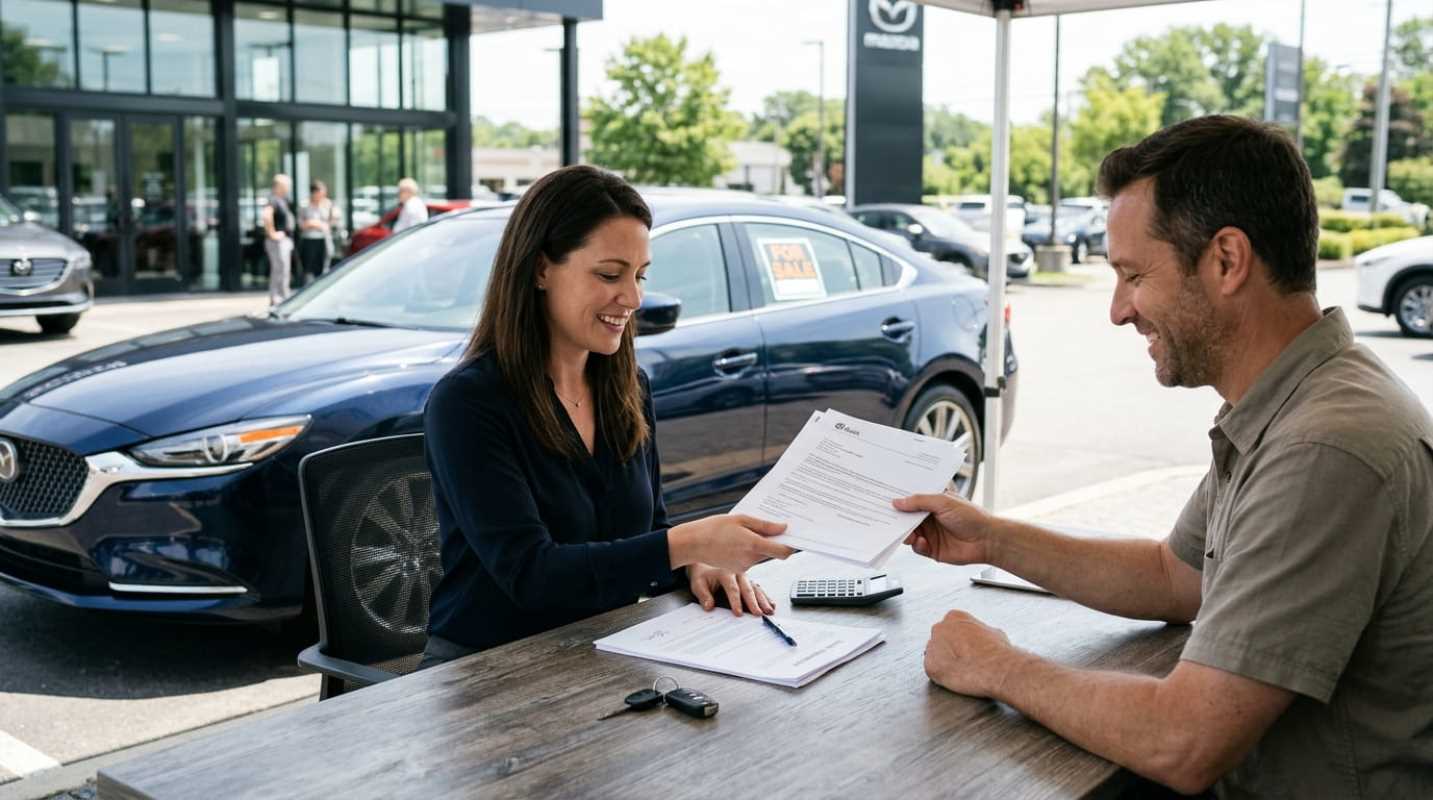
Set your meeting at a neutral, monitored location. The lobby of the buyer's bank is ideal because you can finalize the payment and notarize paperwork on the spot. If that isn't possible, many local police stations offer designated safe trade zones in their public parking lots with 24-hour video surveillance.
Bring two copies of a completed Bill of Sale that lists the vehicle identification number (VIN), sale price, mileage, and date. Ask to see the buyer's driver's license, and verify that their legal name matches the name written on the payment instrument.
Finally, do not sign the Certificate of Title or hand over the keys until you know the money is irreversible. As soon as the transaction wraps up, log onto your state DMV website and file a Notice of Transfer and Release of Liability. This step notifies the state that you no longer own the car, protecting you from future parking tickets, toll violations, or civil liability if the new driver gets into an accident on the drive home.
Sources:
1. BBB Study Update: Virtual Vehicle Vendor Scams and Related Fraud Persist
https://www.bbb.org/article/news-releases/30069-bbb-study-update-virtual-vehicle-vendor-scams-and-related-fraud-persist-post-pandemic
2. Safe Payment Methods to Accept When Selling a Car
https://www.chase.com/personal/auto/education/selling/safe-payment-methods-to-accept-when-selling-a-car
3. Are Cashier's Checks Safe When Selling a Car?
https://blog.keysavvy.com/are-cashiers-checks-safe-when-selling-a-car/
*This article on GoMoto is for informational and educational purposes only. Readers are encouraged to consult qualified professionals and verify details with official sources before making decisions. This content does not constitute professional advice.*