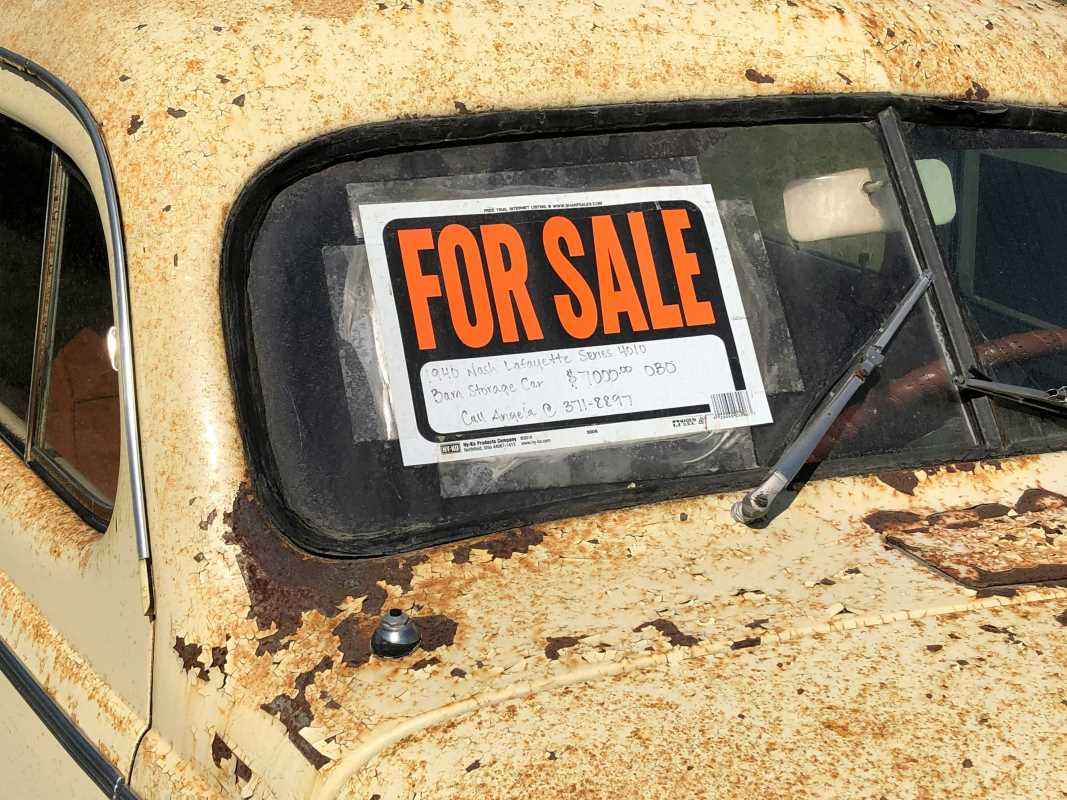
You have decided to sell your car. You walk outside, take a hard look at it in the driveway, and suddenly notice every tiny flaw. There is a small door ding from a grocery cart, a squeak when you apply the brakes, and that stone chip on the windshield you ignored for six months.
Your first instinct might be to book an appointment with your mechanic and fix everything so you can ask top dollar.
Stop right there. Dumping money into a vehicle you are about to sell is one of the easiest ways to throw cash away. In the automotive market, buyers rarely reimburse you dollar-for-dollar for your recent repair bills. The secret is knowing which fixes put money back in your pocket and which ones merely drain your wallet before handover day.
The Golden Rule of Balancing Cost Against Value Added
Before you spend a single dollar, you need to understand how buyers evaluate flaws. Buyers discount issues emotionally, not mathematically. If your car has a minor oil leak or an illuminated dashboard light that costs $150 to fix at a local shop, a prospective buyer will not just deduct $150. They will assume the worst, fear an impending catastrophic failure, and knock $800 to $1,500 off their offer.
Your return on investment depends heavily on where you sell the vehicle.¹
If you are selling to a private party, presentation and peace of mind drive the entire transaction. Private buyers purchase with their eyes and their emotions. Obvious defects trigger the dreaded question: what else did the previous owner neglect?
If you are trading your vehicle in at a dealership or selling to an instant-cash buyer, the equation changes completely. Major retail repairs rarely pay off on trade-ins. Dealerships have their own service bays, access to wholesale parts, and discounted internal labor rates. If you spend $1,000 at a local garage to fix an issue, a dealer appraiser might only dock $300 from your trade-in value for that same problem.
To set your pre-sale budget, check valuation guides for your car's value in fair condition versus good condition. That price difference is your hard spending ceiling. A smart rule of thumb is the fifty percent rule. Only make a pre-sale repair if you expect the fix to protect at least twice its cost in your final selling price.
Cosmetic vs Mechanical Fixes and Where to Spend Your Money
Deciding between fixing a mechanical glitch or cleaning up the bodywork comes down to dealing with buyer deal-breakers.
Mechanical repairs should focus strictly on safety and drivability. If an issue actively prevents a successful test drive, you have to address it. A glowing check engine light is the number one sale-killer in the private market. Even if the light is triggered by a loose gas cap or an inexpensive sensor, a prospective buyer will assume the transmission or catalytic converter is dead. Running a diagnostic scan and replacing a cheap sensor can rescue a deal before it starts.
Brakes fall into a middle category. You will rarely recover the full cost of brand-new brake pads and rotors. But if your brakes are grinding or shaking the steering wheel during a test drive, no private buyer will hand over cash.
Cosmetic fixes, on the other hand, provide some of the easiest wins because they restore the curb appeal that justifies your asking price.
• Paintless Dent Repair: Small door dings and creases scream neglect. A mobile paintless dent technician can massage away shopping cart dings for a modest fee without touching the factory paint, keeping your vehicle in a higher valuation tier.³
• Windshield Rock Chips: Catching a stone chip early costs very little, and many complete insurance policies cover it with no deductible. If you leave that chip alone, it will spiderweb across the glass. Replacing a modern windshield equipped with safety cameras can cost well over $1,000 due to sensor calibration fees.
• Headlight Restoration: Cloudy, yellowed plastic headlights make an otherwise reliable car look twenty years old. A cheap DIY restoration kit or a quick professional polish strips off oxidation in thirty minutes and restores the car's front profile.
The Case for Selling As-Is and When to Walk Away
Some repairs are financial traps. Car owners often fall victim to the sunk cost fallacy, believing that spending $4,000 to replace a blown transmission on a car worth $7,000 will somehow make it an $11,000 vehicle. It will not.
Major powertrain overhauls are rarely worth doing before a sale. If your engine has a blown head gasket or your transmission slips between gears, do not pay retail shop rates to replace it. You are far better off pricing the vehicle honestly and selling it as-is to a backyard mechanic, a dedicated wholesaler, or a trade-in lot. You pocket less money overall, but you avoid tying up thousands in cash and waiting weeks for shop labor you will never recover.
Traditional body shop repainting is another trap to avoid. Fresh paint on a single panel rarely recovers its price tag. To make matters worse, experienced private buyers and dealership appraisers carry digital paint depth gauges. An aftermarket paint reading immediately raises red flags about structural collision damage.
The same warning applies to aftermarket modifications. Adding custom rims, aftermarket stereos, or suspension lift kits does not raise your resale price. In fact, heavy modifications shrink your buyer pool because most people want a reliable, factory-standard machine.
Low-Cost and High-Impact Improvements
If you want the highest possible return on your effort, focus on small details that create a strong psychological impression.
A thorough deep cleaning is the single best investment you can make before listing your car.² Although a quick run through a gas station car wash is fine for weekly maintenance, a pre-sale detail requires more attention. You want to shampoo stained seats, remove every trace of pet hair, scrub the floor mats, and neutralize any stale food or smoke odors. A spotless, clean-smelling interior gives buyers the instant impression that you treated the mechanical parts with the same level of care.
Take a few minutes under the hood as well. You do not need to pressure-wash the engine bay, but wiping down dusty plastic engine covers and battery terminals makes the motor look healthy and well-maintained.
Walk around the exterior and check the small consumables. Replace streaky wiper blades, top off the washer fluid, and swap out any burned-out license plate or marker bulbs. These fixes take twenty minutes in your driveway, cost practically nothing, and eliminate simple inspection red flags.
Final Tips for Getting the Most from Your Sale Price
Once you complete your chosen repairs, the way you present the car determines whether you get your asking price.
Gather every service receipt, oil change invoice, and maintenance record you have into a simple folder. Handing a buyer a thick stack of documentation provides tangible proof that the car was loved. That paperwork alone can easily justify a price hundreds of dollars higher than a similar car with a mysterious history.
When a potential buyer notices a minor flaw you decided not to fix, be direct about it. Pointing out small imperfections before the buyer discovers them builds immediate credibility. When you are honest about the small scratch on the rear bumper, they will believe you when you tell them the engine runs without a single issue.
Smart pre-sale prep is about knowing where to draw the line. Fix the small visual annoyances, eliminate warning lights that cause panic, clean the cabin until it shines, and let the next owner worry about the rest.
Sources:
1. IMX Auto
https://imxauto.com/blog/should-i-fix-my-car-before-selling-it-calculating-the-roi-for-brakes-tires-and-bodywork/
2. Kelley Blue Book
https://mediaroom.kbb.com/2021-07-07-Kelley-Blue-Books-Service-and-Repair-Tips-to-Add-Value,-Keep-Your-Vehicle-Operating-Reliably-for-the-Long-Haul
3. CSN Collision
https://csncollision.com/auto-repair-blog/why-ignoring-a-small-dent-can-cost-you-more-at-resale-time/
*This article on GoMoto is for informational and educational purposes only. Readers are encouraged to consult qualified professionals and verify details with official sources before making decisions. This content does not constitute professional advice.*