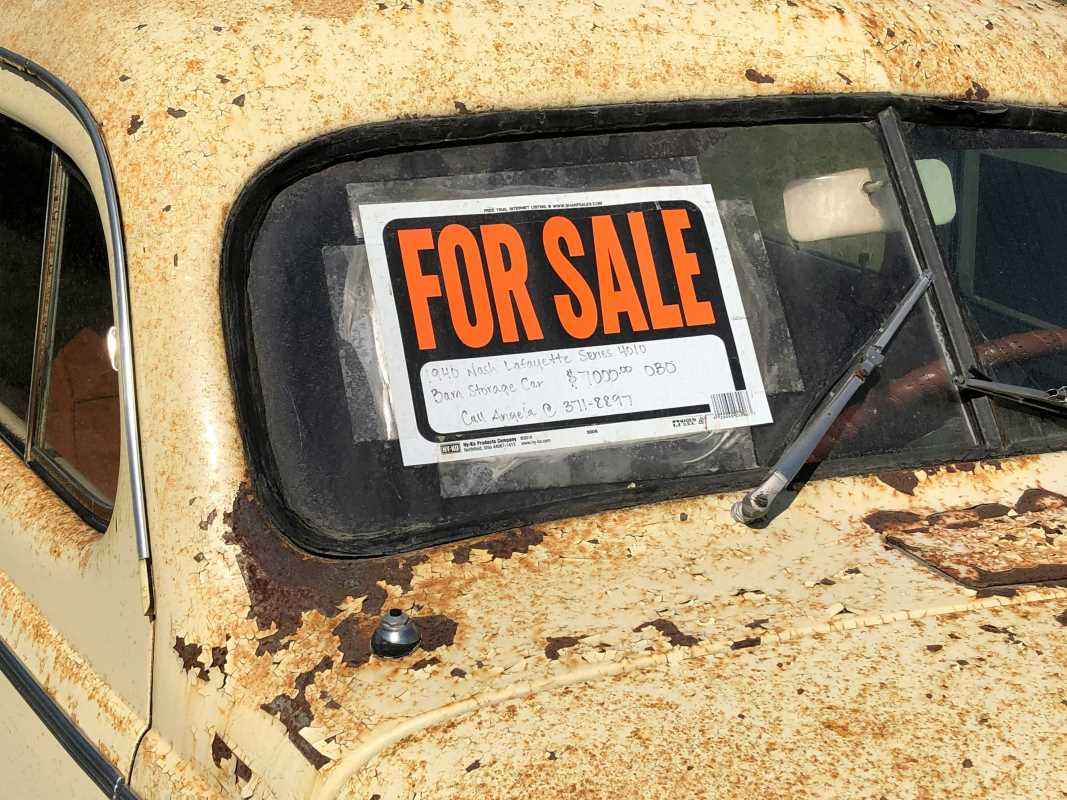
Have you ever looked at your monthly car payment and wondered if you are stuck with the vehicle until the final penny is paid? You are definitely not alone. A common myth among drivers is that having a lien on your title completely prevents you from selling the vehicle. The reality is much simpler. Across the United States, auto loan balances hover around $24,500, meaning financed vehicle sales happen every single day.¹
Selling a car when you still owe money simply requires an extra step or two. As long as you maintain clear communication with your buyer and handle the banking paperwork properly, the entire experience can be straightforward and stress-free.
Step One to Get Your Financial House in Order
Before you take photos or post an online ad, you need to understand your numbers. Many sellers make the mistake of logging into their banking app, checking their current balance, and assuming that is what they owe.
In the automotive lending world, your balance and your payoff amount are two different things. Daily interest accumulates on auto loans, which means your true balance changes slightly every single day.
To start the process, contact your lender directly and request an official 10-day payoff quote.
• 10-day payoff window: This document gives you the exact figure required to close the account, including any accrued per-diem interest and administrative processing fees.
• Expiration date: Payoff letters are legally binding only through a specific date. Make note of this deadline so you can close the sale before the quote expires.
• Equity position: Subtract your 10-day payoff quote from the realistic market value of your vehicle.
If your car is worth $20,000 and your payoff quote is $16,000, congratulations. You have $4,000 in positive equity, which goes straight into your pocket at closing.
What happens if you are underwater? Due to longer loan terms and post-pandemic vehicle depreciation, over 25% of vehicle trade-ins carry negative equity, with owners owing an average of roughly $6,800 more than the vehicle is worth.² If you owe $22,000 on a car that sells for $18,000, you must pay the $4,000 difference out of pocket when settling with the lender. The lien will not be lifted until the lender gets every dollar owed.
Understanding the Buyer Communication Process
Selling a car privately always involves building trust, but selling one with an active lien requires complete transparency from the very start.
Nothing scares off a private buyer faster than finding out about an outstanding loan at the last minute. If a buyer agrees to a deal and you casually mention that a bank holds the title, they might walk away out of fear of fraud.
Put the details directly in your listing description. A simple sentence works wonders: "Vehicle has an outstanding lien with [Lender Name]. Sale will be completed inside a local bank branch or through a verified escrow service for an immediate lien release."
When you explain the situation up front, several things happen
• Serious buyers appreciate the honesty and know you have nothing to hide.
• You eliminate tire-kickers who expect to drive away with a paper title within two minutes.
• You can agree on a secure transaction method well before meeting in person.
Meeting at a physical branch of your lending institution is often the most reassuring path for local buyers. A bank teller or loan officer can verify the payoff, collect the buyer's funds, credit the account to zero on the spot, and hand over an official receipt showing the lien is satisfied.
The Title Release Process and Closing the Deal
Once you agree on a price, it is time to sign the paperwork and release the title. How this works depends largely on where you live.
In roughly 41 states, the lender holds the title electronically or as a physical paper document until the loan is settled. In the remaining nine title-holding states (including New York, Maryland, and Missouri), the registered owner keeps the physical title, but the lender is listed as the primary lienholder. In those states, you cannot legally transfer the vehicle without an accompanying lien satisfaction document.
Here is the step-by-step breakdown to finalize the sale cleanly
1. Complete a bill of sale: Draft a state-compliant bill of sale containing the vehicle identification number (VIN), purchase price, current odometer reading, and contact information for both parties.
2. Execute a limited power of attorney: Sign a limited power of attorney form for vehicle transactions. This legal document gives the buyer or your lender the authority to transfer the title into the buyer's name once the bank releases it.
3. Submit the payoff: The buyer submits the payoff balance directly to your lender via certified cashier's check or wire transfer.³ Any surplus funds above the payoff amount are paid directly to you.
4. Obtain the lien release: After the funds clear, the lender issues a lien release letter and forwards the clean title either to you or directly to the buyer, depending on state regulations.
5. Protect yourself with the DMV: Do not skip this part. Immediately log into your state's motor vehicle website and file a notice of transfer and release of liability. This officially alerts the state that you have surrendered possession, protecting you from parking tickets, unpaid tolls, or accidents caused by the new driver before registration is complete.
If your lender does not have a local branch near you, handling the exchange can feel daunting for cautious buyers. Using a dedicated private-party automotive escrow platform removes all friction.
These platforms verify the buyer's funds, confirm your payoff balance directly with the bank, disburse the payoff to your lender, and send your equity profit directly to your checking account. The platform then guarantees a clear title transfer to the buyer, giving both sides complete peace of mind.
Alternative Options for Trading In vs Private Sale
Is selling privately worth the extra coordination? It comes down to money versus convenience.
Trading your car into a dealership is unquestionably the easiest route. You simply drop off the keys, sign a power of attorney, and let the dealer handle the lender payoff and DMV paperwork. The dealer cuts a check for your equity or rolls your negative equity into another purchase.
That convenience comes at a steep price. Dealerships buy at wholesale trade-in values to preserve their retail profit margins. Industry data indicates that selling your car to a private party typically yields $1,500 to $4,000 more than what a dealer will offer you.
If you are dealing with negative equity, that cash difference can completely erase your loan deficit. Taking an afternoon to request a 10-day payoff quote and organize your paperwork is often the smartest financial move you can make.
Sources:
1. Experian Automotive Finance Debt Study
https://www.experian.com/blogs/ask-experian/research/auto-loan-debt-study/
2. Auto Remarketing Edmunds Negative Equity Report
https://www.autoremarketing.com/subprime/edmunds-pandemic-era-problems-still-festering-in-form-of-negative-equity/
3. Chase Auto Education Selling a Car With a Lien
https://www.chase.com/personal/auto/education/selling/how-to-sell-a-car-with-a-lien
*This article on GoMoto is for informational and educational purposes only. Readers are encouraged to consult qualified professionals and verify details with official sources before making decisions. This content does not constitute professional advice.*