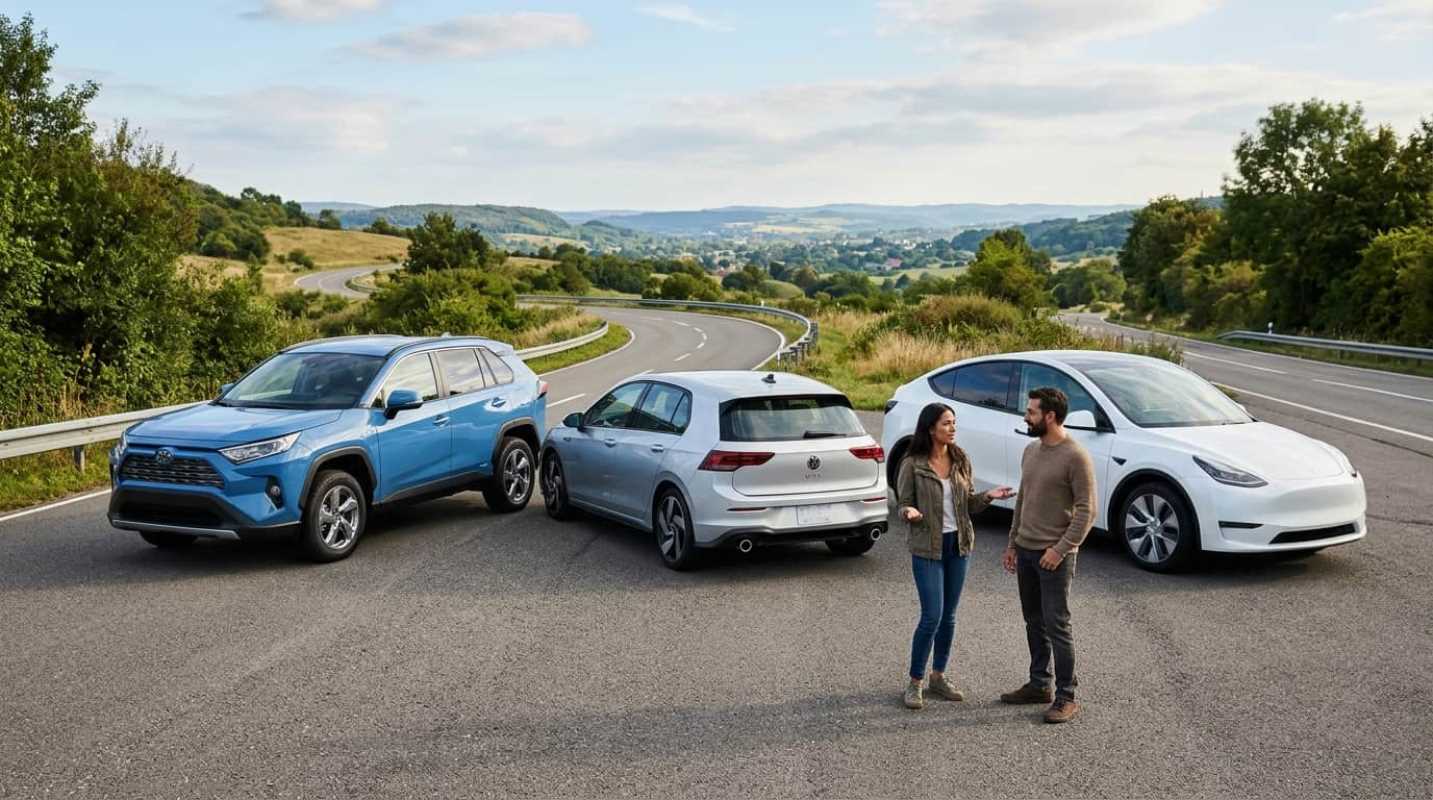
Walking onto a car dealership lot can feel like stepping into a financial maze. Between the glossy showroom floors, the pushy sales tactics, and the confusing spreadsheets, you are faced with a fundamental dilemma: should you lease your next car or buy it?
It is easy to get overwhelmed by the math, but the core difference is straightforward. Leasing is an extended rental where you pay for the vehicle's temporary use and depreciation. Buying, on the other hand, is a path toward full ownership and equity.
Neither path is universally right or wrong. The best move comes down to your personal cash flow, how many miles you drive each year, and how long you plan to keep the car. Let's break down the real numbers so you can walk into the dealership with total confidence.
The Great Automotive Debate
Have you ever wondered why car salesmen push leasing so aggressively? It is not just about moving inventory. They know that most shoppers focus entirely on the monthly payment rather than the total cost of the vehicle.
When you lease, you are only financing the difference between the car's initial sales price and its projected value when your term ends, which is called the residual value. Because you are financing a fraction of the total price, your monthly bill is significantly lower than a loan payment on the same car.
Buying requires you to pay for the whole machine, including sales tax on the full purchase price and interest on a much larger loan balance. But once you make that final payment, the car is yours. You can drive it for five more years without sending a single dime to a bank, which is an advantage that leasing can never offer.
Monthly Payments vs Ownership
If short-term cash flow is your biggest priority, leasing looks awfully tempting. The average transaction price for a new vehicle hovers around $48,000 to $50,000.¹ That high price tag makes monthly payments sting.
According to Experian, the average monthly payment for a new car loan sits between $734 and $745, while the average lease payment runs between $583 and $659.² That means leasing puts roughly $150 to $175 back in your pocket each month.
To bridge that affordability gap, many car buyers are stretching loan terms out to 73 or even 84 months. Ray Shefska, co-founder of consumer advocacy site CarEdge, cautions that taking out a seven-year loan just to keep monthly payments manageable is risky. It leaves drivers trapped in negative equity for four to five years, meaning they owe far more on the car than it is worth.
If you decide to buy, sticking to the standard 20/4/10 rule helps keep you grounded. Put 20% down, finance the vehicle for no more than four years, and keep your total car expenses under 10% of your gross income.
The Fine Print on Mileage Limits and Fees
Before you sign a lease agreement, you need to read the fine print carefully. Leases come with strict rules, and breaking them gets expensive fast.
• Mileage caps: Standard lease contracts limit your driving to 10,000 or 12,000 miles per year. If your daily commute grows or you take unexpected road trips, excess mileage fees range from $0.15 to $0.30 per mile. Driving 10,000 miles over your limit could leave you with a surprise bill of $2,000 to $3,000 when you hand back the keys.
• Wear and tear: When your lease expires, the dealer inspects the vehicle thoroughly. Dents larger than a credit card, cracked glass, upholstery stains, or tire tread worn below 4/32 of an inch will result in costly penalty charges.
• Upfront money risk: Financial planners from Edmunds and Consumer Reports advise putting down as close to zero dollars as possible on a lease. If your leased car gets stolen or totaled in an accident, your gap insurance covers the finance company, but your down payment is completely gone.
• Rigid commitments: Life changes fast, but a lease agreement does not care. If you lose your job or need a larger vehicle for a growing family, terminating your lease early can cost thousands of dollars in early termination penalties.
Long-Term Cost Comparison
When you zoom out over six years, the financial balance shifts dramatically in favor of buying.
Consider a $40,000 vehicle. If you enter two consecutive three-year leases, you will pay around $5,000 in upfront inception fees, $41,760 in monthly lease payments, and roughly $800 in return fees. After six full years of continuous payments totaling $47,560, you walk away with zero dollars in equity.
Now look at a buyer who takes out a 60-month loan at 6.8% interest on that same $40,000 vehicle. With a 10% down payment, they pay $4,000 upfront and $42,540 in total loan payments over five years. Even with an estimated $2,500 set aside for out-of-warranty maintenance and repairs, their total out-of-pocket spend comes to roughly $49,040.
Here is the kicker: in year six, the buyer pays nothing in monthly payments. Better yet, the car is still an asset worth roughly 40% of its original value, giving them an asset worth around $16,000. That drops the buyer's true net cost of transportation down to roughly $33,040, putting over $14,000 back into their pocket compared to continuous leasing.
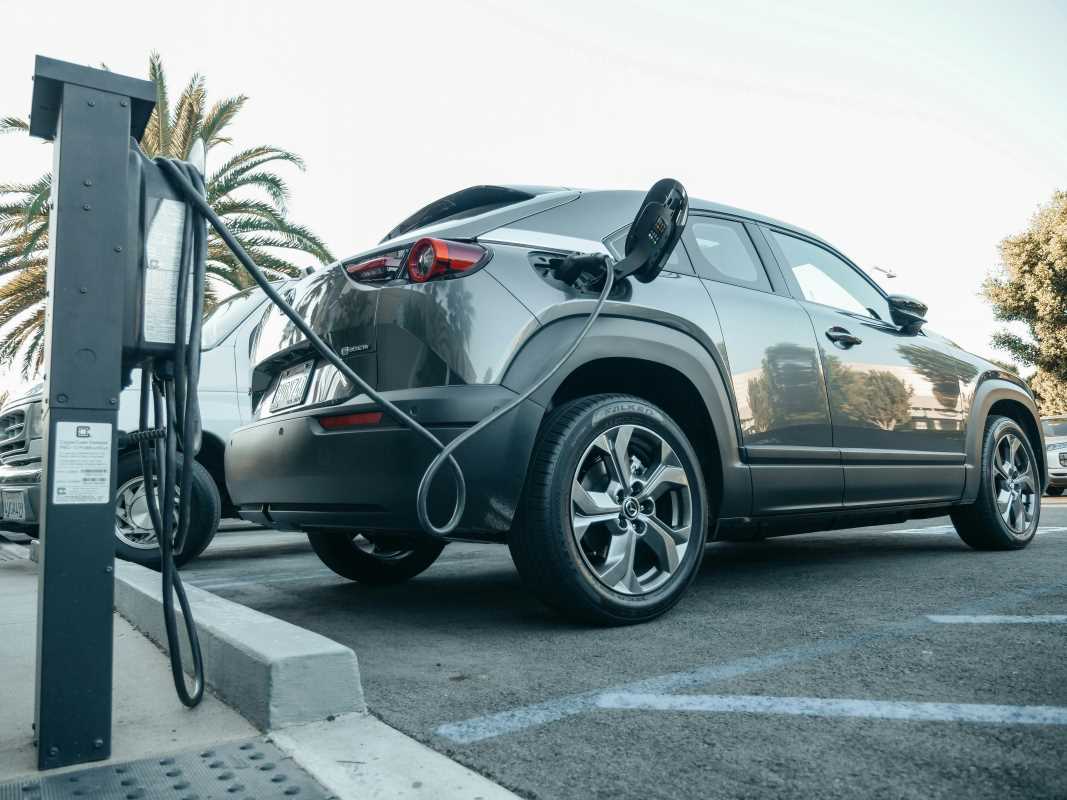
There is one major exception right now: electric vehicles. Over half of all new EVs are leased.³ Captive finance companies can pass down the federal $7,500 clean vehicle credit through Section 45W commercial rules, bypassing income restrictions. For EV shoppers worried about battery degradation or rapid tech obsolescence, a short lease is often the smarter financial move.
Choosing What Suits Your Life
Your ideal choice depends on your daily lifestyle and how you treat your vehicles. Review this quick checklist to see which bucket you fall into
• Leasing makes sense if: You prefer driving a brand-new vehicle with current safety tech every three years, your annual mileage is predictable, you hate dealing with out-of-warranty mechanical repairs, or you want to write off vehicle expenses for a small business.
• Buying makes sense if: You want to eliminate your monthly car payment, you drive more than 15,000 miles a year, you enjoy personalizing your vehicle, or you take pride in driving a reliable car for seven to ten years.
Be honest with yourself about your driving habits and long-term financial goals. Once you know what matters most to your budget, the right choice becomes crystal clear.
Sources:
1. Kelley Blue Book Average Transaction Prices
https://www.coxautoinc.com/wp-content/uploads/2025/08/July-2025-Kelley-Blue-Book-Average-Transaction-Price-tables.pdf
2. Experian Automotive Finance Market Report
https://www.experianplc.com/newsroom/press-releases/2024/leasing-experiences-continued-growth-in-q2-2024--according-to-ne
3. Average Auto Lease Payments
https://www.experian.com/blogs/ask-experian/average-auto-lease-payment/
*This article on GoMoto is for informational and educational purposes only. Readers are encouraged to consult qualified professionals and verify details with official sources before making decisions. This content does not constitute professional advice.*